A weekend filled with fun and connection.
Department of Psychiatry and Human Behavior
Celebrating 50 Years of Training
We’re celebrating this half-century milestone with a reunion celebration, reflections on the department’s people and history, and a look at excellence in training today.
Celebrating 50 Years of Training
We’re celebrating this half-century milestone with a reunion celebration, reflections on the department’s people and history, and a look at excellence in training today.
For 50 years, the training programs of the Brown Psychiatry and Human Behavior have produced exemplary graduates in psychiatry and psychology. That half-century of training adds up to much more than the sum accomplishments of the department’s more than 2,000 alumni. It’s a culture of lifelong relationships and invaluable lessons – focused on shared values in mental health – that thrives to this day.
Timeline, photos, and recollections from our history.
A look at training at 50 years in – including the latest from our podcast.
50th Celebration & Reunion
Join alumni, faculty, and trainees to mark 50 years of training at Brown Psychiatry and Human Behavior. The two-day celebration will feature a party reuniting 50 years of alumni, live storytelling, mentoring matchups, and learning opportunities for CME and CE credit. Registration has closed.
Friday, Sep. 25: An Evening of Fun and Connection
4-5:30 p.m. Mentoring Roundtables
Alumni advise current trainees at mentoring roundtables focused on different career topics.
6-9:30 p.m. Reunion Party
Enjoy food, drinks, and dancing with music from across the department's five fabulous decades. Celebratory attire encouraged!
6:30-7:30 p.m. Storytelling
Come hear the department's legendary and emerging tellers share their favorite stories of training — and get the opportunity to share your own! Featured tellers include Mary Carskadon, Martin Furman, Anthony Spirito, Jane Eisen, Carly Goldstein, and Zachary Kunicki.
Saturday, Sep. 26: Learning from Alumni Experts
The DPHB 50th Academic Presentations confer CE and CME credit.*
8-9 a.m. Coffee Hour & Academic Session Sign-In
Light continental breakfast and coffee.
9-9:15 a.m. Introductory Remarks
9:15-10:30 a.m. Too Hot to Handle: The Impact of Ambient Heat on Mental Health
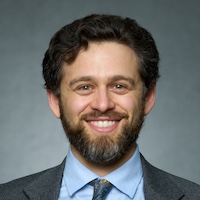 Large epidemiological studies have shown strong associations between ambient heat and worse mental health outcomes, particularly in young people. In this talk, Joshua Wortzel, M.D., M.Phil., M.S., reviews the epidemiological evidence base for this association, basic science of thermoregulation in mental illness, the impact of psychopharmacology on thermoregulation, potential mechanisms by which heat impact mental health, and experimental approaches and interventions development that could push this line of research forward.
Dr. Joshua Wortzel (Child & Adolescent Psychiatry Fellowship '24) is an assistant professor adjunct in psychiatry at the Yale School of Medicine and an attending psychiatrist with the Institute of Living Young Adult Services Partial Hospitalization and Intensive Outpatient Program.
10:45 a.m. - 12 p.m. Stealth Interventions: Using Creativity, Context, and Lived Experience to Motivate and Sustain Change—and What It all Means for Mental Health and Behavior Change in the Age of AI
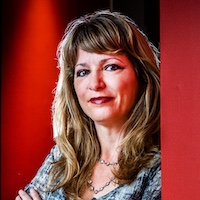 Belinda Borrelli, Ph.D., M.A., explains how: 1) Creativity, context, and lived experience can be leveraged to enhance motivation and engagement in behavior change interventions; 2) Principles of behavior change science can be applied to develop intervention strategies that reach individuals in nontraditional settings and through novel delivery channels; 3) Opportunities, challenges, and ethical considerations associated with AI can be assessed to personalize, scale, and deliver behavior change interventions.
Dr. Belinda Borrelli (Clinical Psychology Internship '95, Clinical Psychology Postdoctoral Fellowship '97) is a professor and director of the Center for Behavioral Science Research at Boston University, in the Department of Health Policy and Health Services Research, Henry M. Goldman School of Dental Medicine. She is also a visiting professor at the University of Manchester, UK.
*The Warren Alpert Medical School of Brown University is accredited by the Accreditation Council for Continuing Medical Education to provide continuing medical education for physicians. (See accreditation information.) In accordance with the disclosure policy of the Warren Alpert Medical School, Brown University, as well as standards set forth by the Accreditation Council for Continuing Medical Education, all those in a position to control the content of a CME presentation must disclose all financial relationships within the past twenty-four months with ineligible companies. Disclosures are reviewed and mitigated by the Brown CME Office.
Logistics
Entrance
Guests will be able to enter The Warren Alpert Medical School (222 Richmond St.) via the Richmond Street entrance only.
Road Closure
Please note that Richmond Street itself will be closed due to construction of the William A. and Ami Kuan Danoff Life Sciences Laboratories, but the sidewalk will remain open to pedestrians.
Free Parking
Validated parking is available at the Richmond Garage (350 Eddy St.), which is accessible via Eddy Street. To validate, guests should pull a parking ticket when entering the garage and bring it with them to the security desk at The Warren Alpert Medical School entrance. The security guard will place a validation sticker on the back. When exiting the garage later, scan both the front and the back of the ticket.
Overflow Parking
Paid parking options include the South Street Landing Garage (330 Eddy St.) and limited on-street parking.
Art Exhibit Highlights Resilience in Mental Health
After a diagnosis of paranoid schizophrenia, Douglas Brooks went on to create more than 1,500 paintings. The Resilience Rising exhibit at The Warren Alpert Medical School features 15 of his works in recognition of Brown Psychiatry and Human Behavior’s 50 years of training psychologists and psychiatrists in compassionate care.
History and Stories
Training Program Timeline
A visual history of the founding of each of the department's nine training programs.
1973
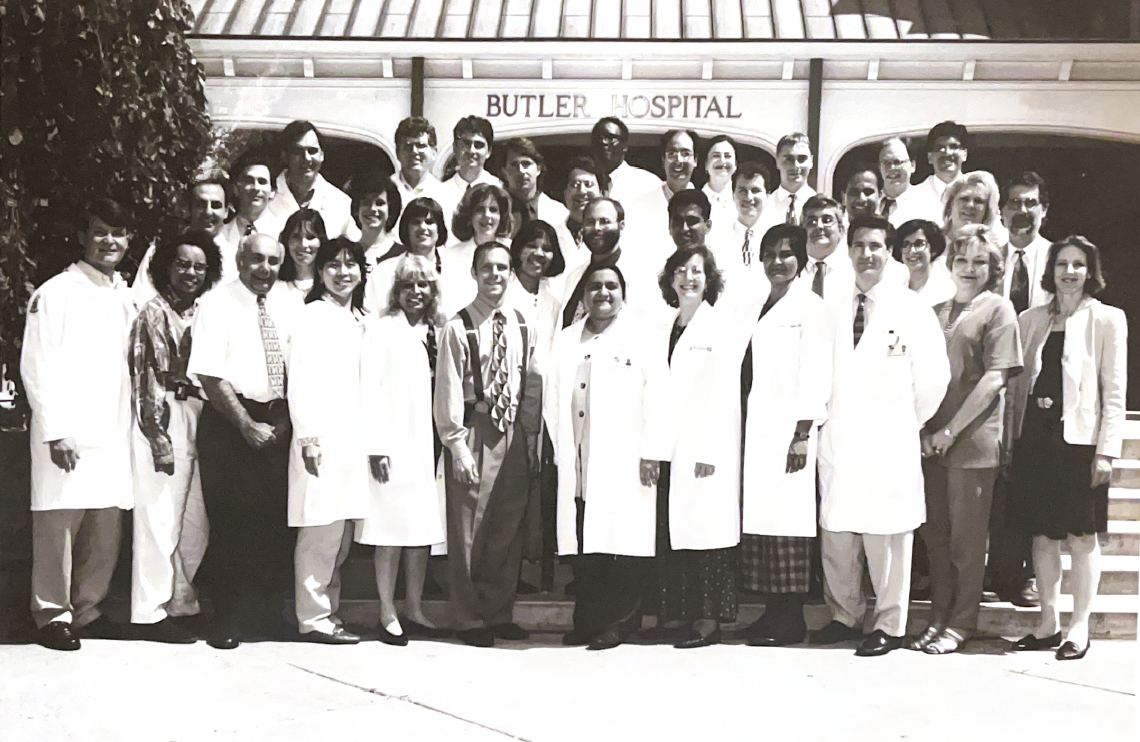
General Psychiatry Residency
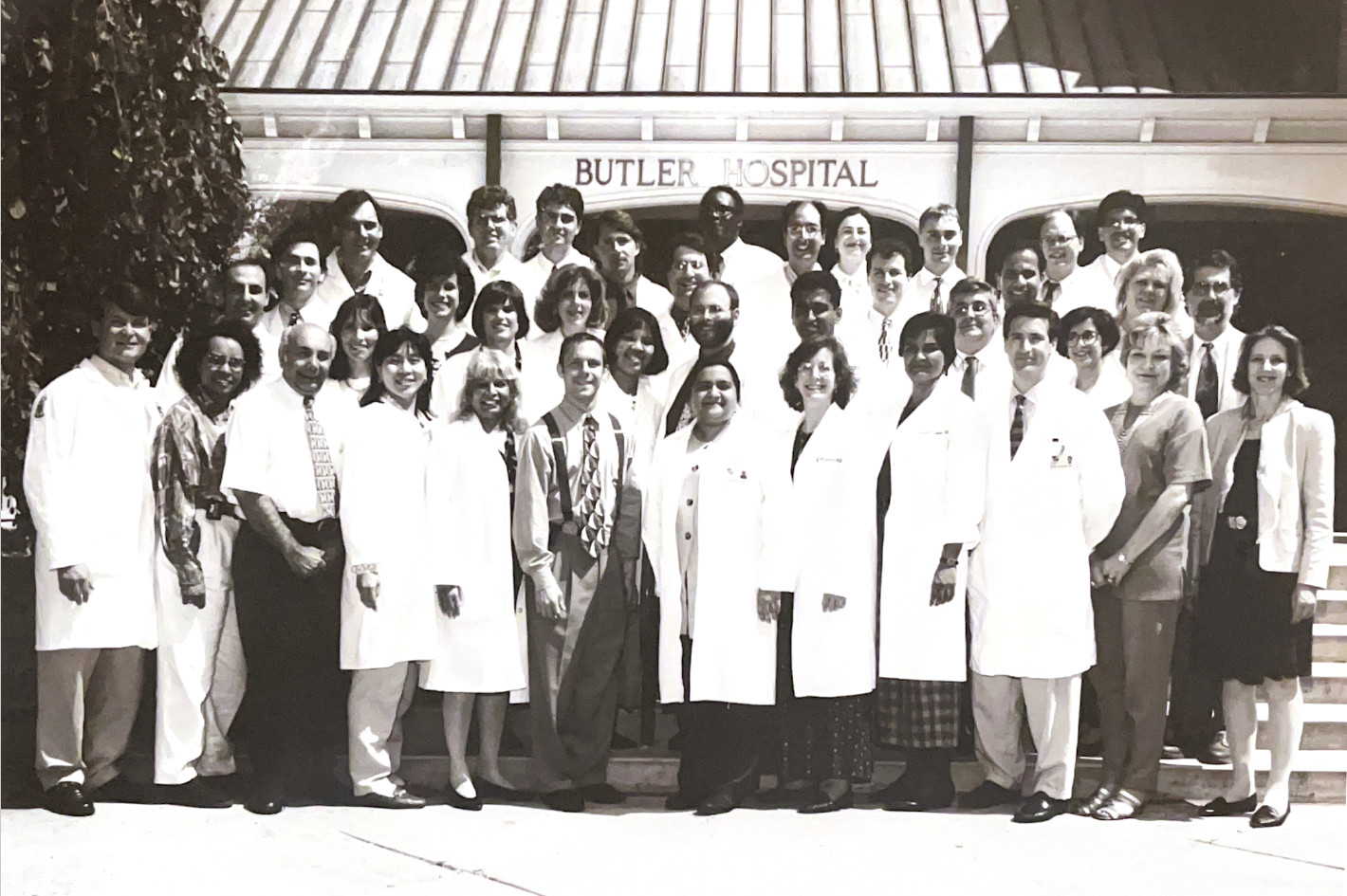
The department's longest-running program expanded significantly in the 2000s with more research integration, adult and child R25 research tracks, and stronger ties to the Carney Institute for Brain Science. (Photo: Psychiatry residents in front of Butler Hospital, 1996)
1975

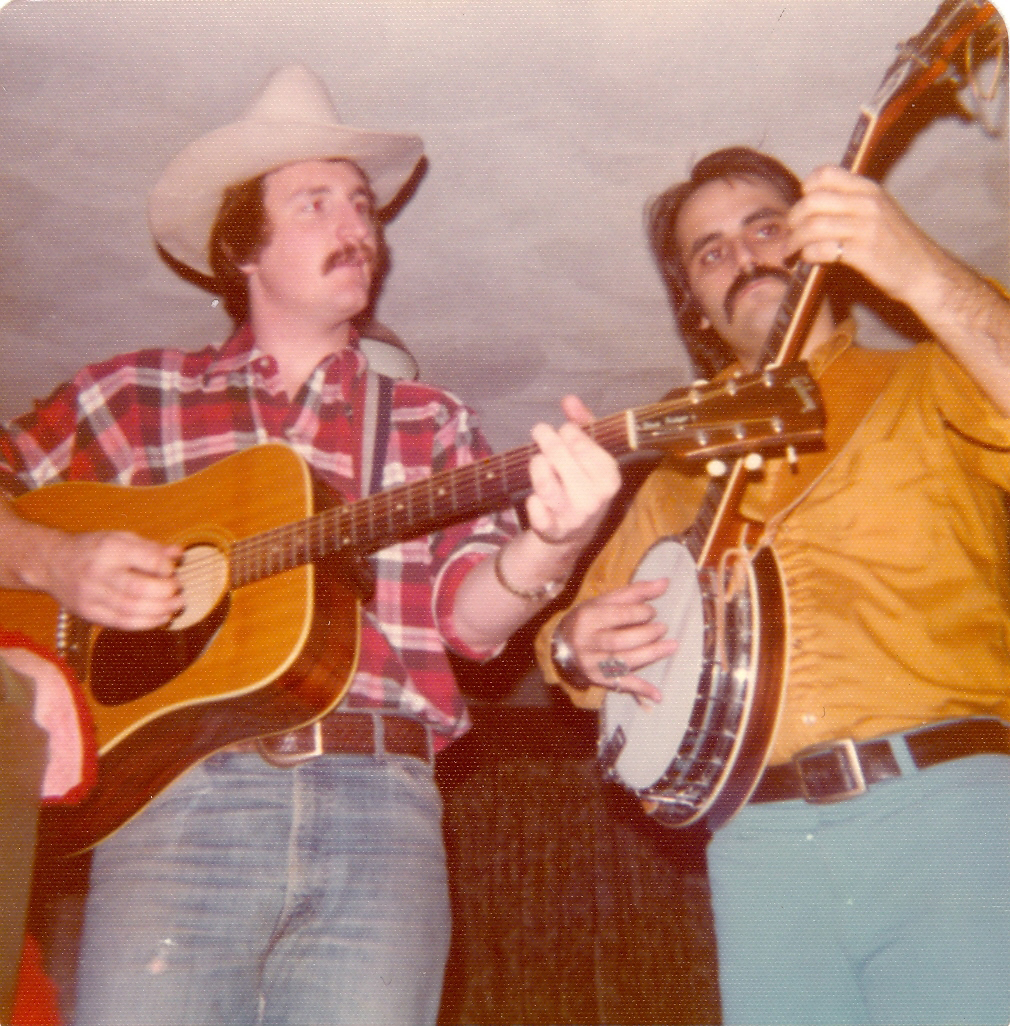
Clinical Psychology Internship
The internship began with just five residents, most of whom have their own Wikipedia pages today. (Photo: Psychology residents Kelly Brownell and Steven Hayes, circa 1976)
1983
.jpg)
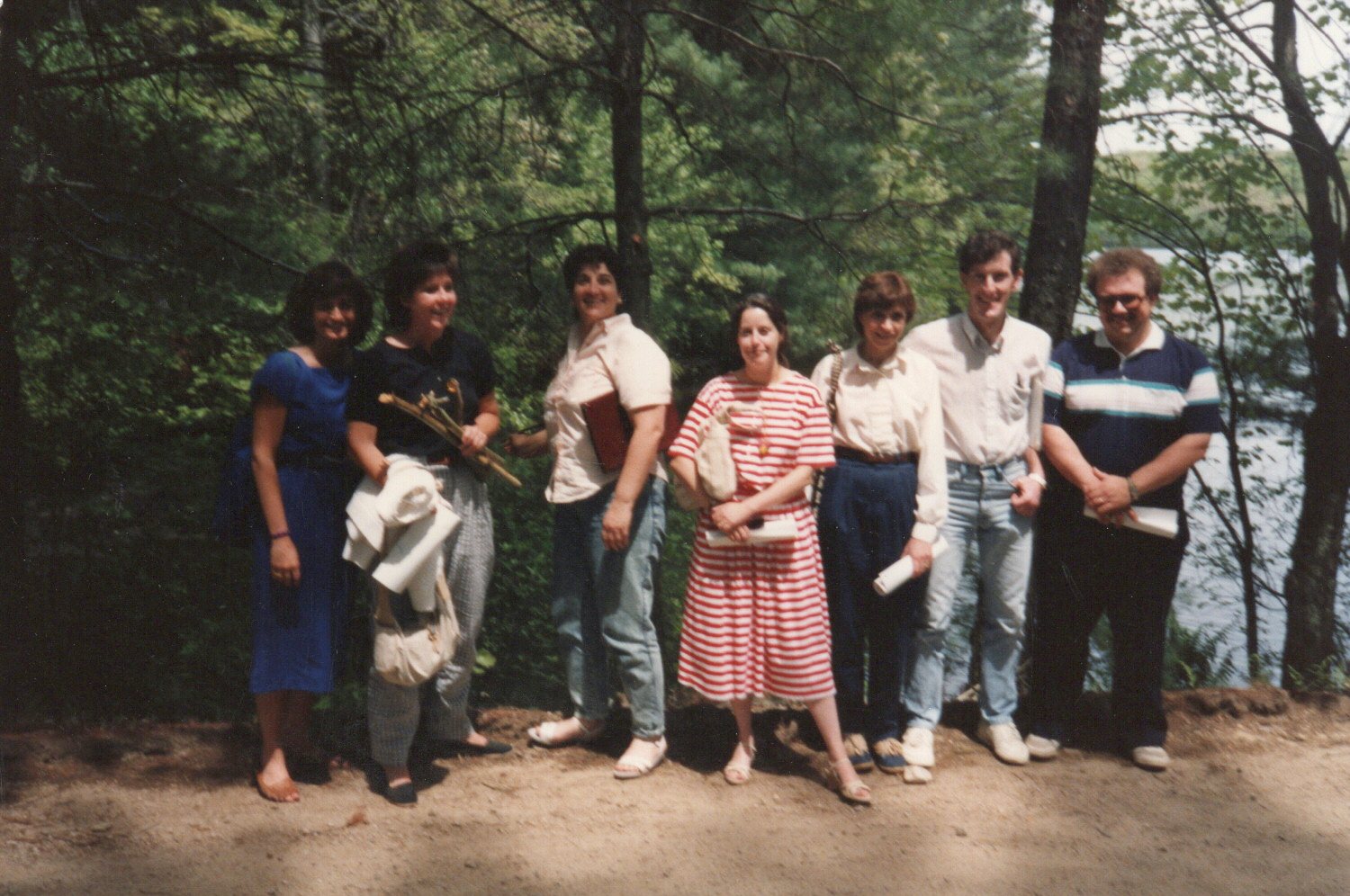
Child and Adolescent Psychiatry Fellowship
The program was originally founded as part of Bradley Hospital in 1953 and accredited in 1960 before affiliating with Brown in 1983. (Photo: A Bradley Hospital retreat including child and adolescent psychiatry fellows, late 1980s)
1986

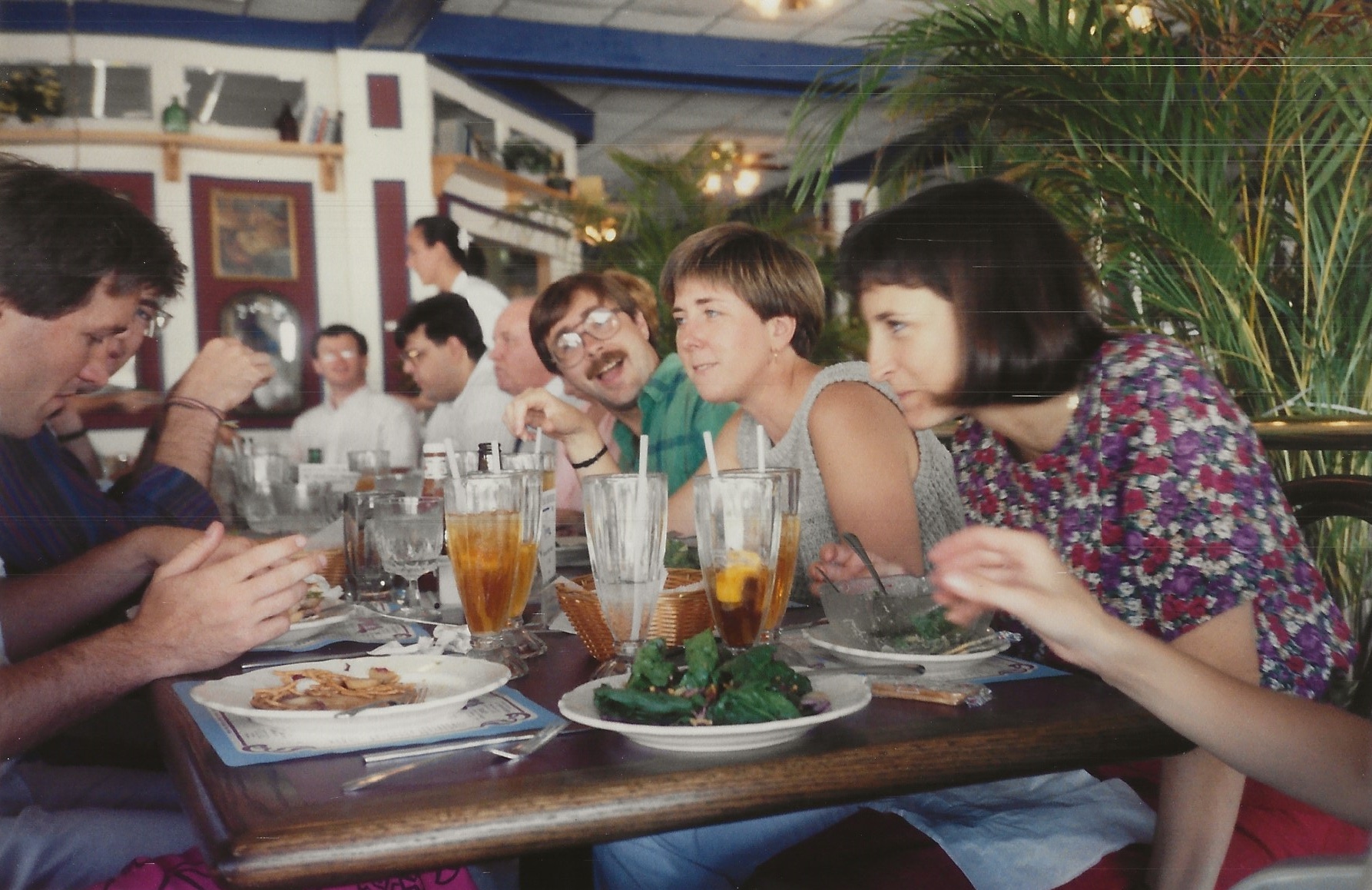
Triple Board Residency
The residency was one of the six original triple board programs in the nation. (Photo: Triple board residents Sandra Fritsch and Carolyn Federman gather with child and adolescent psychiatry fellows, circa 1990)
1992
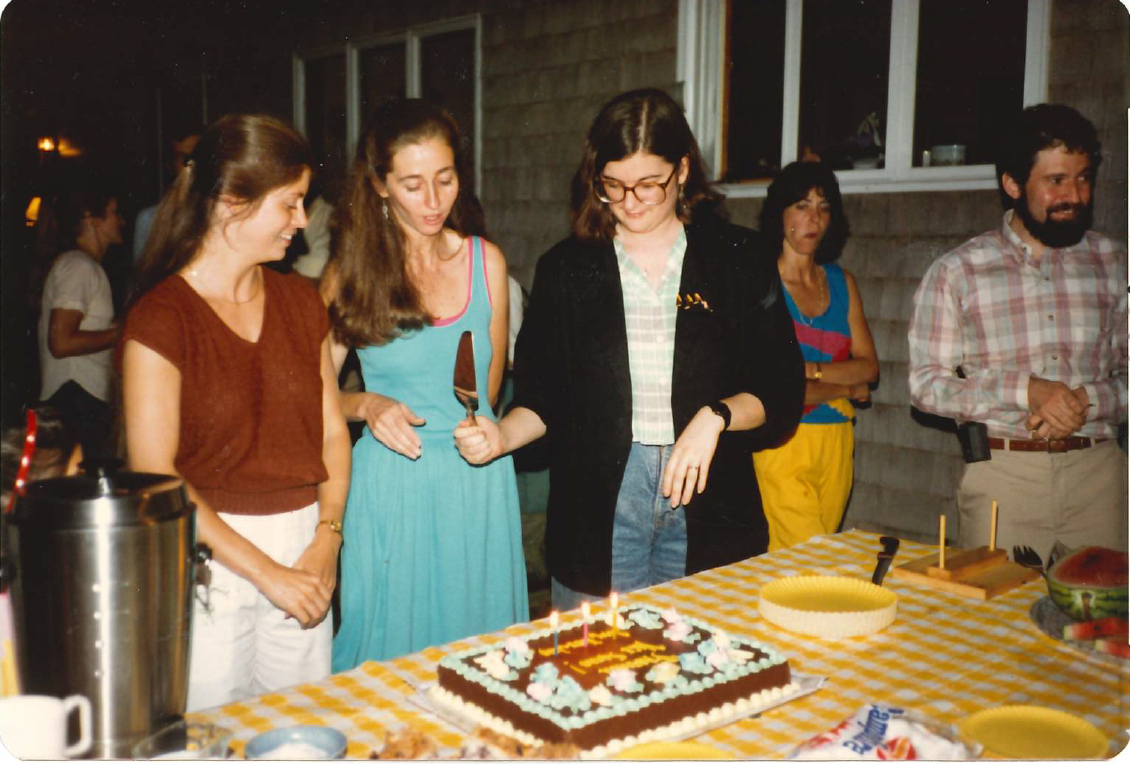
Clinical Psychology Postdoctoral Fellowship
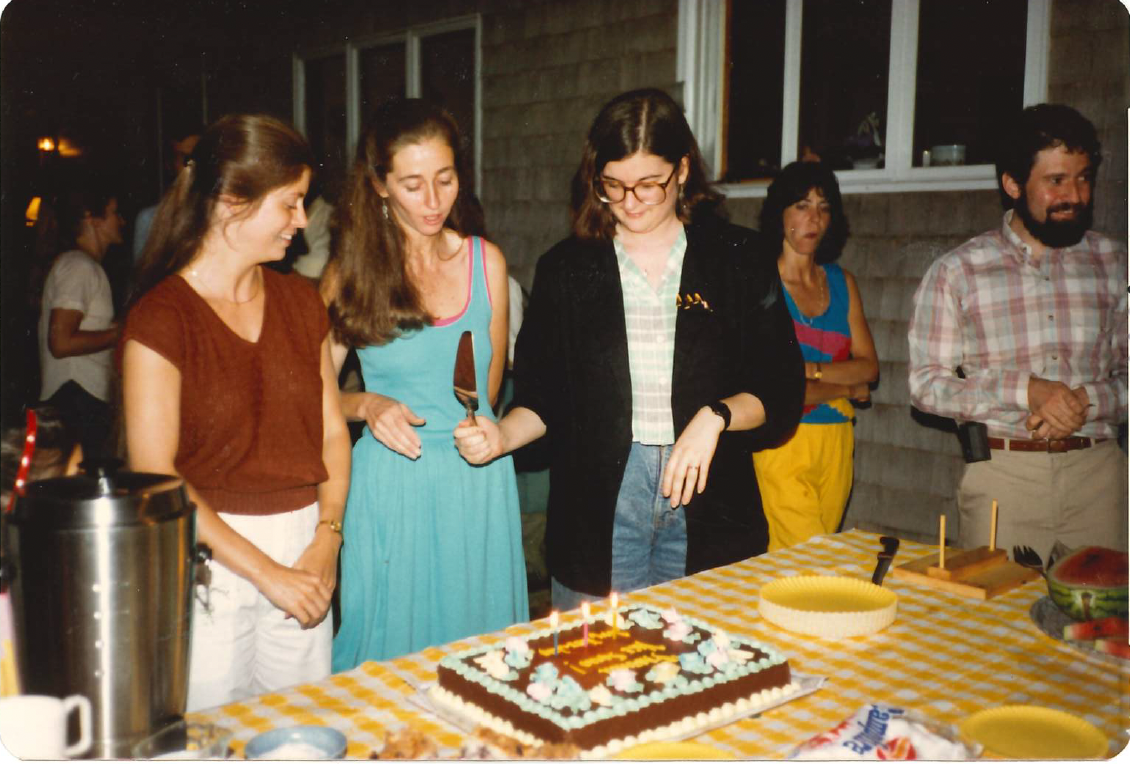
The program, which began with 17 postdocs, has since grown to 55 postdoctoral fellows as of this past year. (Photo: Kate Carey, far left, with fellow postdoctoral fellows at their graduation party, 1986. Carey’s advisor, David Abrams, is at far right.)
1998

Geriatric Psychiatry Fellowship
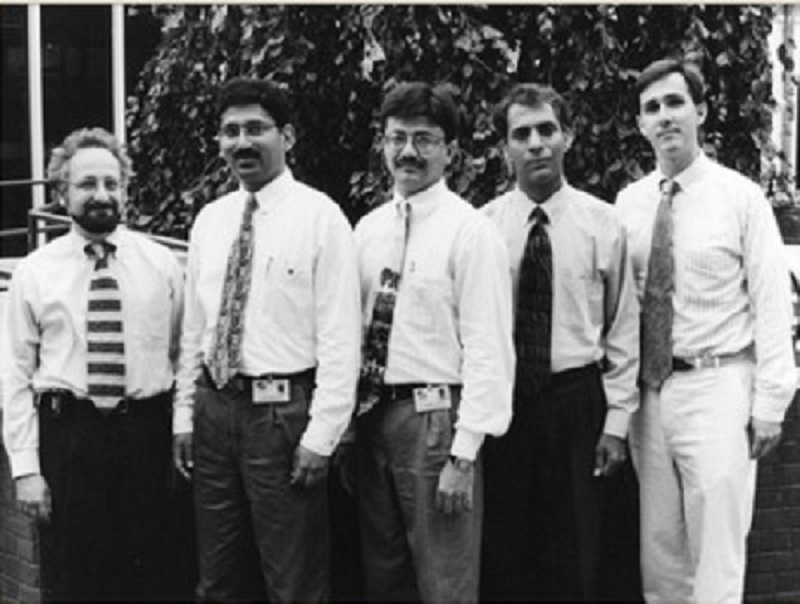
Twenty years in, the fellowship played a significant role in the fact that Rhode Island enjoyed the highest proportion of geriatric psychiatrists in the nation. (Photo: Former fellowship director Robert Kohn, left, with 1998-1999 geriatric psychiatry fellows Abdul Nadeem, Ghulam Mustafa Surti, Muhammad Baber, and former associate director Robert Boland)
2013
Forensic Psychiatry Fellowship
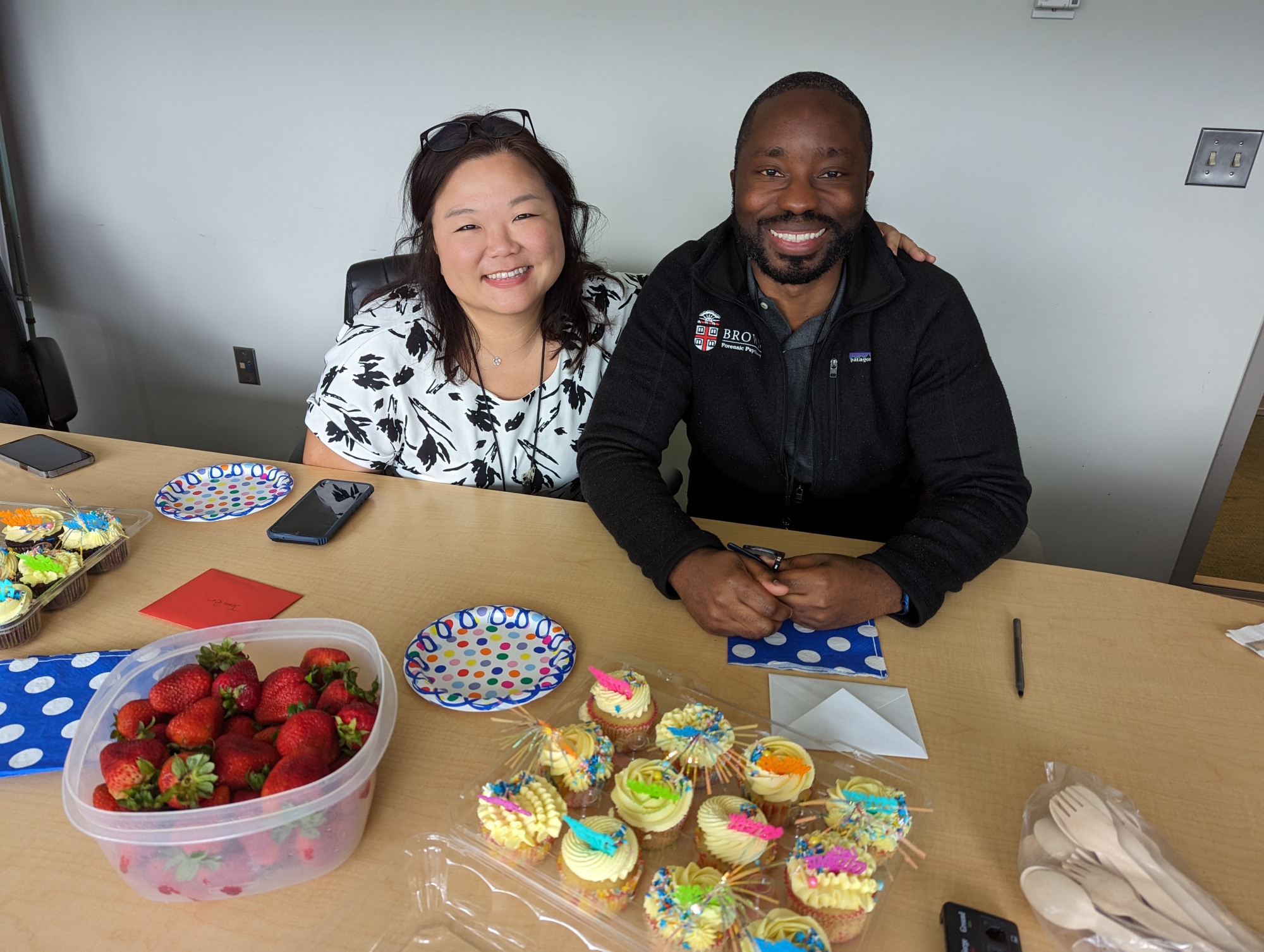
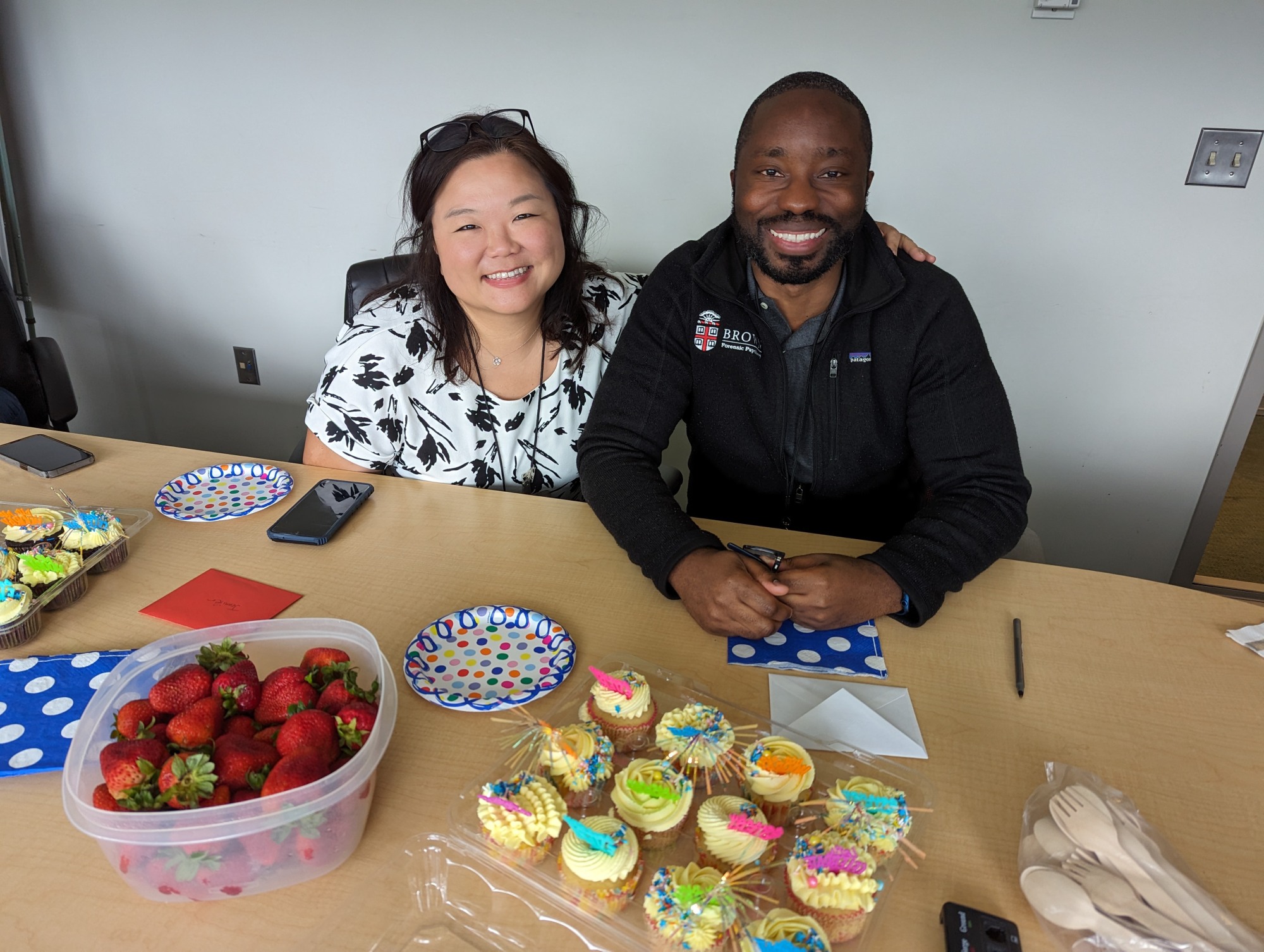
The fellowship’s 16 alums practice in five states and internationally. Six have become Brown faculty. (Photo: Fellows Jennifer Kim and Uche Ugorji – now faculty and administrators in the fellowship – at the conclusion of their Rhode Island Training School rotations, 2023)
2014

Women's Mental Health Fellowship
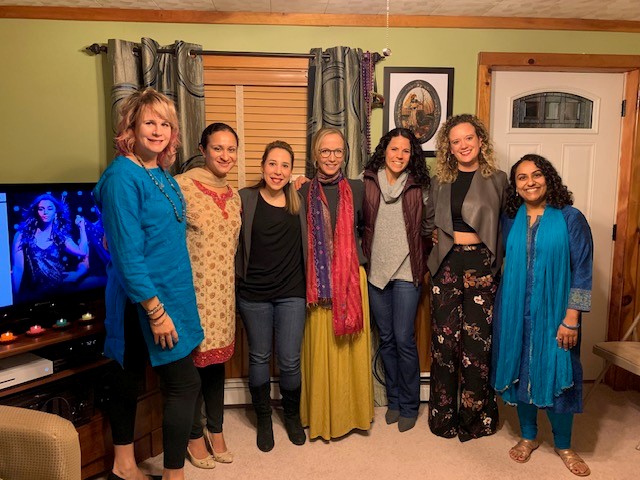
Fellows train with the nation’s first mother-baby partial hospitalization program, where new mothers can bring their infants to programming while receiving treatment. (Photo: A gathering of fellowship-affiliated faculty.)
2016
Consultation-Liaison Psychiatry Fellowship
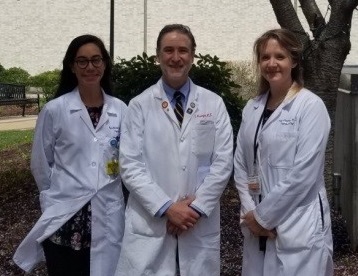
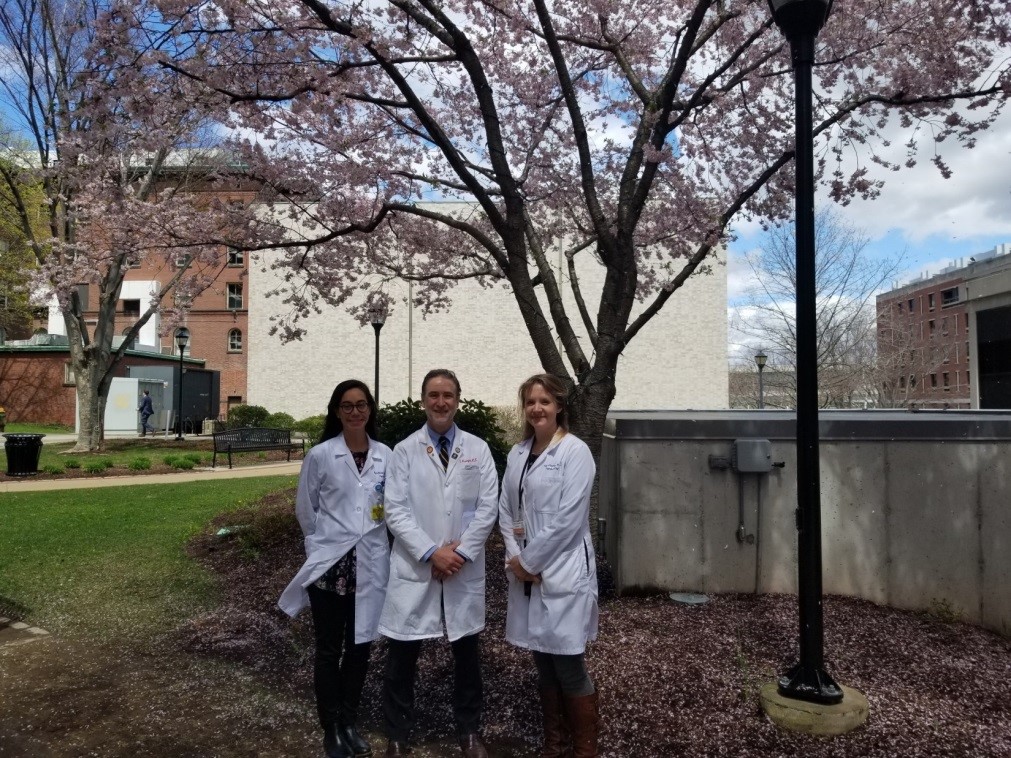
All of the fellowship's graduates have passed the consultation-liaison psychiatry boards and are contributors to the Academy of Consultation-Liaison Psychiatry. (Photo: Former fellowship associate director Christina Scully, fellowship director Colin Harrington, and fellow Amy Grooms, 2018)
Stories
Training Today
Today, residents and fellows at the Brown Department of Psychiatry and Human Behavior have opportunities to train in areas that would have seemed fantastical 50 years ago – cutting-edge fields like digital health, implementation science, psychedelic-assisted therapy, trauma-informed care, and brain stimulation, to name a few. But our trainees also approach these new realms grounded in a timeless tradition of curiosity, compassion, and excellence. Those values continue to guide our programs as they train each successive generation of clinicians and researchers.
https://www.youtube.com/embed/budahPebgrg
Research Training
By the Numbers
$ 97 million
in external research funding (FY25)
135+ faculty
involved in high-impact research
4
dedicated research service cores
7
NIH-supported institutional training grants
4
NIH-funded centers of excellence
Clinical Training
Residents and fellows train in 8 hospitals with a variety of clinical focus areas:
- Child & Adolescent
- Young Adult
- Adult
- Family Therapy
- Consultation-Liaison
- Addiction & Recovery
- Trauma
- Memory Disorders
- Mood Disorders
- OCD & Anxiety Disorders
- Psychotic Disorders
- Behavioral Health
- Adjustment to Health Conditions
- Emergency Care
Bear in Mind Podcast
Explore the range of expertise among our world-class faculty with the Bear in Mind podcast – clear, current content on mental health from the Brown General Psychiatry Residency.
Help Us Find Our Alumni
Know of a classmate who would want to know about our 50th celebration, join the Alumni Grand Rounds, or follow department news? Encourage them to get in touch!